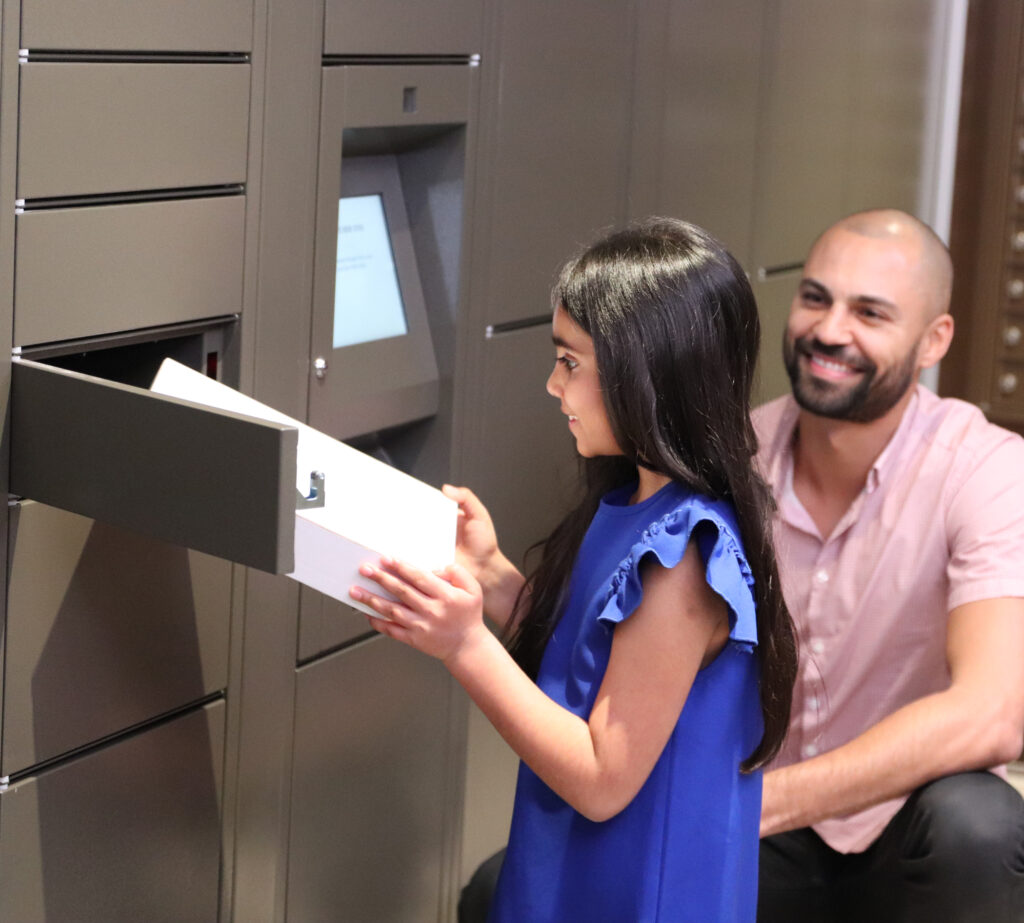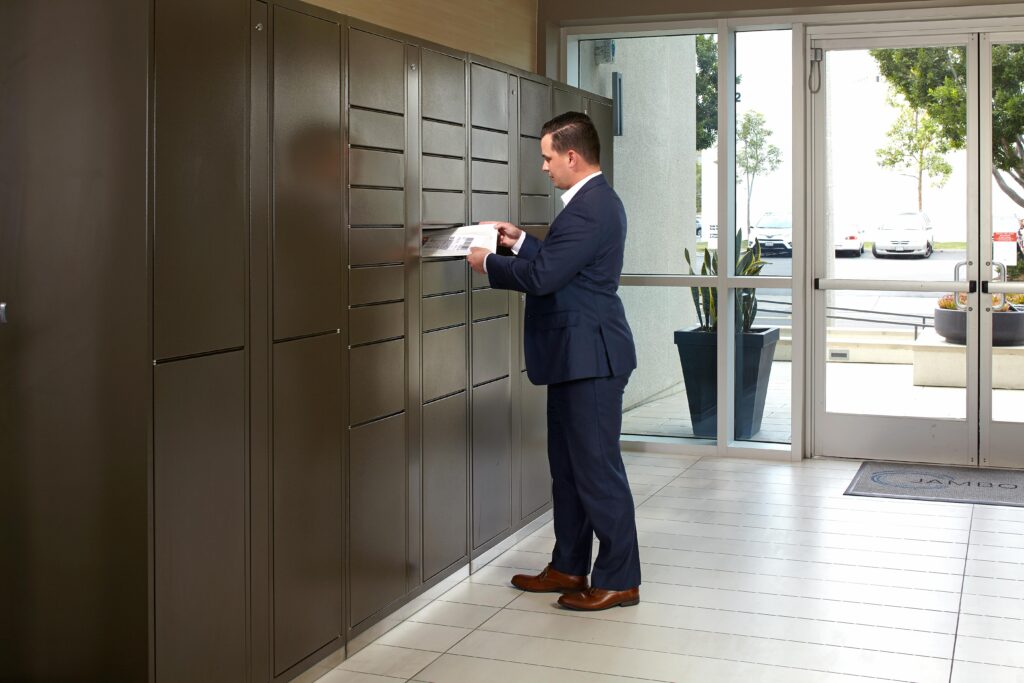
Smart parcel lockers are reshaping last‑mile logistics in Australia by shifting parcel handover from a person-to-person interaction to a managed, auditable, self-service transaction. As e-commerce volumes intensify and delivery density increases, these systems provide a scalable pathway to secure parcel delivery with fewer failed drops, fewer theft events, and materially improved recipient convenience.
In Australia, smart delivery solutions are now common across strata residential buildings, workplaces, universities, retail precincts, and mixed-use developments, where traditional reception-based parcel handling is increasingly operationally brittle.
What They Are (Smart Parcel Lockers Australia)
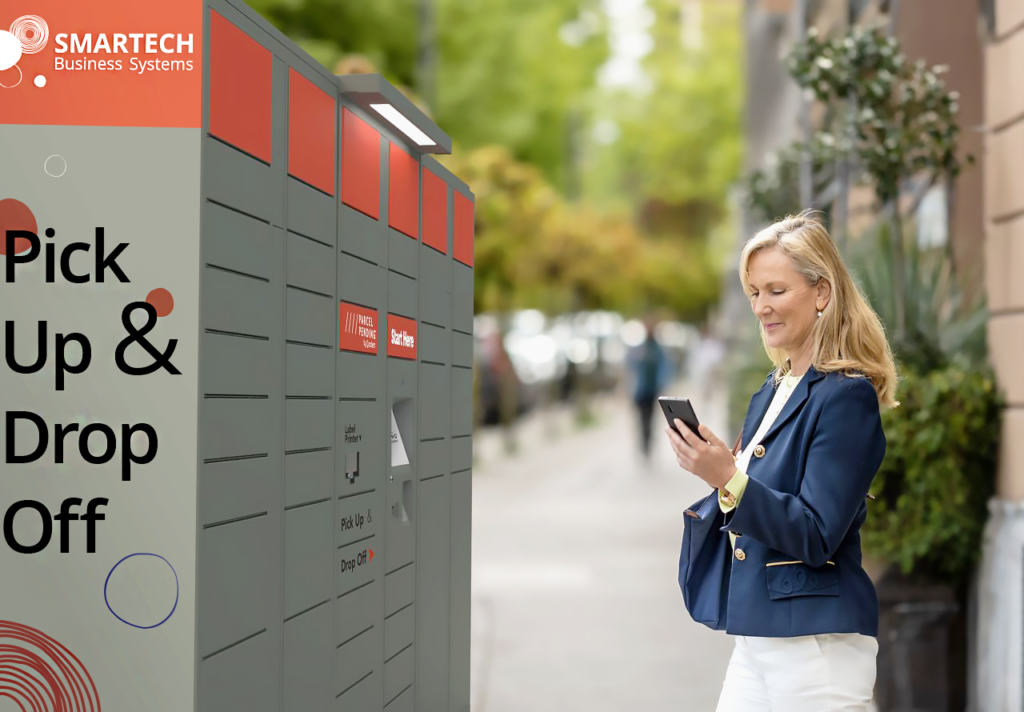
Smart parcel lockers are network-connected banks of compartments designed to accept, store, and release parcels through controlled authentication. Unlike basic keyed lockers, smart lockers Australia deployments typically incorporate:
- Software-controlled access (PIN, QR code, one-time passcode, app-based credential, or enterprise SSO)
- Event logging (time-stamped chain-of-custody records for deposit and collection)
- Automated notifications (SMS/email/app alerts with collection instructions)
- Compartment management (dynamic allocation by parcel size and dwell-time rules)
How They Work
Operationally, smart parcel lockers sit at the intersection of carrier workflows, recipient authentication, and property or site governance. The canonical flow is as follows:
- Delivery authentication: A courier identifies the site and initiates a delivery via locker UI/app (often guided by building rules or tenant directory data).
- Secure deposit: The system assigns a compartment (or the courier selects one), the door releases, and the parcel is deposited. The locker then re-locks and records the event.
- Recipient notification: The recipient receives a one-time credential (e.g., QR code/PIN) and collection instructions, frequently with expiry timers and reminders.
- Collection: The recipient authenticates, the compartment releases, and the collection is recorded, completing the chain of custody.
Modern implementations frequently support exceptions handling (oversize parcels, perishable goods, multiple recipients, mis-deliveries) and administrative controls (remote opens, audit exports, and policy-based returns).
Benefits
The benefit profile is strongest where parcel volume, theft risk, or staffing constraints are non-trivial. Common benefits in Australian deployments include:
- Improved secure parcel delivery: Reduced exposure to “left at door” theft and opportunistic tampering.
- Reduction in failed deliveries: Fewer reattempts and fewer “carded” items, improving recipient experience and carrier efficiency.
- 24/7 access: Recipients retrieve parcels outside concierge or reception hours, which is particularly valuable in commuter-heavy metro areas.
- Lower administrative burden: Property staff spend less time receiving, storing, and locating parcels, and can avoid informal “parcel room” sprawl.
- Traceability: Access logs and notifications create defensible evidence when disputes arise.
For organisations with ESG targets, consolidating deliveries to a single drop point can also reduce unnecessary re-delivery kilometres, although the magnitude depends on carrier routing and local density.
Cost (Australia): What to Budget For
Cost structures for smart parcel lockers Australia projects are generally a combination of (1) hardware and installation, (2) software/licensing, and (3) ongoing operations. Pricing varies materially with compartment count, environmental rating (indoor vs outdoor), integration depth, and service model. Typical line items include:
- Hardware: Locker banks, screen or keypad module, electronic locks, compartment mix (small/medium/large), weatherproofing, and anti-vandal features.
- Site works: power, data (ethernet/4G/5G), mounting, canopy or enclosure (where required), and compliance with accessibility and site safety requirements.
- Software: management console, notification services, reporting, carrier workflows, and API access where integrations are required.
- Support: maintenance, replacement parts, SLA tiers, remote monitoring, and optional on-site servicing.
Commercial models are commonly offered as CapEx purchase + support or OpEx subscription/lease (hardware bundled with SaaS). For procurement, a defensible approach is to model cost per compartment per month over the expected service life, rather than evaluating only upfront spend.
ROI: How to Quantify It
ROI for smart delivery solutions is rarely driven by a single metric; it is usually a portfolio of time, risk, and service-quality improvements. A pragmatic ROI model evaluates both direct and indirect value:
- Labour displacement: minutes saved per parcel previously handled by reception/concierge/mailroom staff.
- Carrier efficiency: reduced dwell time at site and fewer reattempts (often reflected indirectly via service performance and tenant satisfaction).
- Loss and claims reduction: fewer theft incidents, fewer “missing parcel” investigations, and lower goodwill compensation.
- Tenant/employee experience: measurable via retention, NPS, and fewer complaints (particularly in high-density residential strata).
A simple baseline calculation is:
Annual benefit = (parcels/year × minutes saved/parcel × labour cost/minute) + avoided theft/claims + avoided re-delivery costs
Payback period = total annualised cost ÷ annual benefit
In practice, organisations often run a 30–60 day measurement period (parcel volumes, staff time, incident logs) to calibrate assumptions before committing to a larger rollout.
Use Cases
Smart lockers Australia deployments tend to be most compelling in environments with high parcel velocity, intermittent staffing, or elevated security requirements. Representative use cases include:
- Residential strata and build-to-rent: overflow parcel management, reduction in lobby clutter, and improved after-hours collection.
- Office and mixed-use towers: centralised, secure intake for staff deliveries without burdening reception.
- Universities and student accommodation: high turnover and high delivery density with 24/7 access needs.
- Retail and click-and-collect: unattended pick-up to extend trading convenience and reduce counter congestion.
- Healthcare and campuses: controlled distribution of supplies and deliveries with auditability.
- Regional worksites: predictable parcel receipt without requiring a staffed mailroom (connectivity and weatherproofing become critical).
Comparison vs Alternatives
Smart parcel lockers are one of several parcel-management patterns. Selecting the right approach depends on parcel volume, staffing, theft risk, and space constraints.
Option Strengths Limitations Smart parcel lockers Strong security and audit trail; 24/7 access; reduced staff handling; scalable with volume Requires space, power, and connectivity; compartment constraints for oversize items; ongoing software/support costs Concierge/reception handling Flexible for oversize items; human exception handling Labour-intensive; limited hours; higher dispute risk; parcel storage can become unsafe/non-compliant Unstaffed parcel room Low tech and relatively low upfront cost Weaker security; poor traceability; higher theft risk; operational chaos at high volumes Carrier pickup points / PUDO networks Off-site convenience; no building infrastructure required Recipient travel/time cost; reduced service quality for bulky items; variable opening hours “Safe drop” at door Lowest friction for delivery when it works Highest theft/exposure risk; weather damage; weak chain-of-custody—particularly problematic in dense metro areas
How to Choose the Right Smart Parcel Locker System
To select an appropriate system, focus on the constraints that most commonly derail implementations: space, governance, and integration. Key evaluation criteria include:
- Security and access controls: credential types, remote administration, audit logs, and resilience against tampering.
- Compartment strategy: parcel size distribution, oversize handling, and peak-period capacity planning.
- Integration: property management systems, tenant directories, workplace identity, and carrier workflow compatibility.
- Reliability: uptime guarantees, offline operation modes, and support responsiveness.
- Australian conditions: UV and weather resistance for outdoor installs, and suitable ingress protection ratings.
Conclusion
Smart parcel lockers are increasingly central to secure parcel delivery in Australia because they convert an error-prone, labour-heavy activity into a controlled and data-rich service. When cost and ROI are assessed using operational baselines (time, incidents, and failed deliveries), smart delivery solutions often justify themselves not only as a convenience feature, but as a risk and productivity intervention.